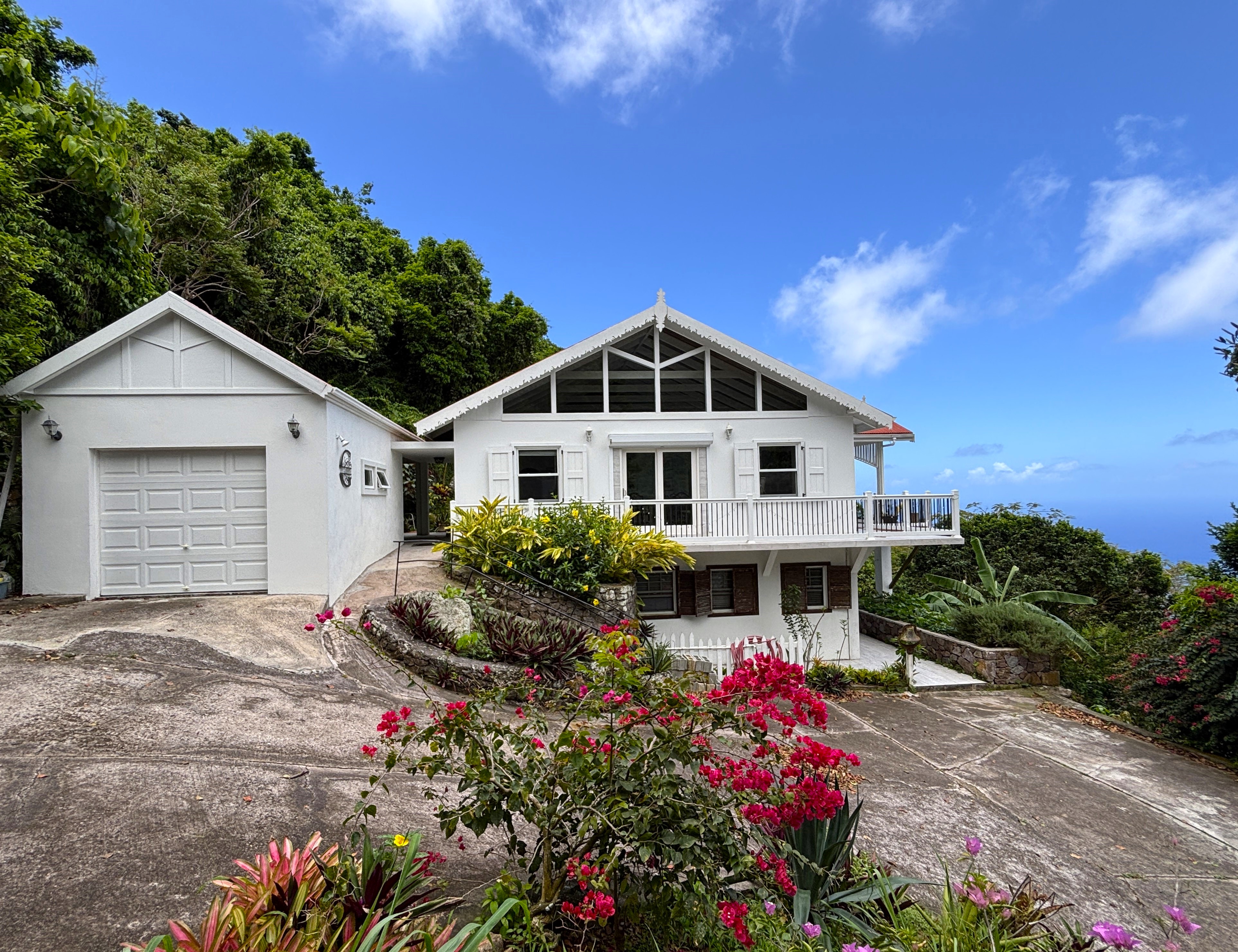
It's a fair question to ask before buying anywhere, and Saba deserves an honest answer rather than a sales pitch. Saba can be a rewarding place to own property — but it behaves very differently from a mainland market or a big resort island. Here's a balanced look at what works in its favour, and what to go in clear-eyed about.
What makes Saba attractive
Genuine scarcity
This is the heart of the case. Saba is five square miles with only a few hundred homes, a strong tradition of protecting its character, and no appetite for large developments. You cannot manufacture more Saba. That hard limit on supply is the kind of fundamental that tends to support values over the long run.
Stability and a familiar currency
As a special municipality of the Netherlands, Saba sits within a transparent Dutch legal framework, and the official currency is the US dollar. For dollar-based buyers that removes currency risk entirely, and the clear, notary-administered title process gives the kind of legal certainty that's not a given everywhere in the Caribbean.
Rental demand
Saba is a world-renowned diving and eco-tourism destination, which supports steady demand for well-run vacation rentals. A villa or cottage that photographs well and is managed properly can generate income while you're not using it — see the kinds of homes that do well on our vacation rentals page.
Open to foreign buyers
There are no nationality restrictions on ownership in the Caribbean Netherlands, so international investors buy on the same footing as locals. Our guide to buying property on Saba walks through the whole process.
What to go in clear-eyed about
It's a small, patient market
The same scarcity that supports values also means the market is small and can be illiquid. There are fewer buyers than in a big city, so selling can take time and isn't something to count on doing quickly. Saba rewards a long-term horizon, not a fast flip.
Financing is limited
Local mortgage options are limited compared with mainland markets, and many purchases here are made in cash. It's worth sorting out how you'll fund a purchase early in the process.
Caribbean realities
Like anywhere in the region, factor in insurance, the weather, and the ongoing maintenance that a tropical climate demands. These are manageable and normal — just real line items in the math.
The honest summary: Saba is best viewed as a long-term, scarcity-driven hold that also happens to be a beautiful place to spend time — and can earn rental income along the way. It's less suited to anyone chasing quick capital gains or needing to exit on short notice.
So — is it right for you?
If you value a durable, supply-constrained asset in a stable jurisdiction, enjoy the idea of using it yourself, and can take a patient view, Saba stacks up well. If you need liquidity and leverage, it's a harder fit. The best way to judge is against your own goals — and we're glad to talk through the numbers candidly.
Have a look at what's currently for sale, or get in touch and tell us what you're trying to achieve. We'd rather help you make the right decision than any decision.
This article is general information, not financial, tax, or investment advice, and is not a guarantee of any return. Property values can fall as well as rise. Please do your own due diligence and consult qualified professionals before investing.