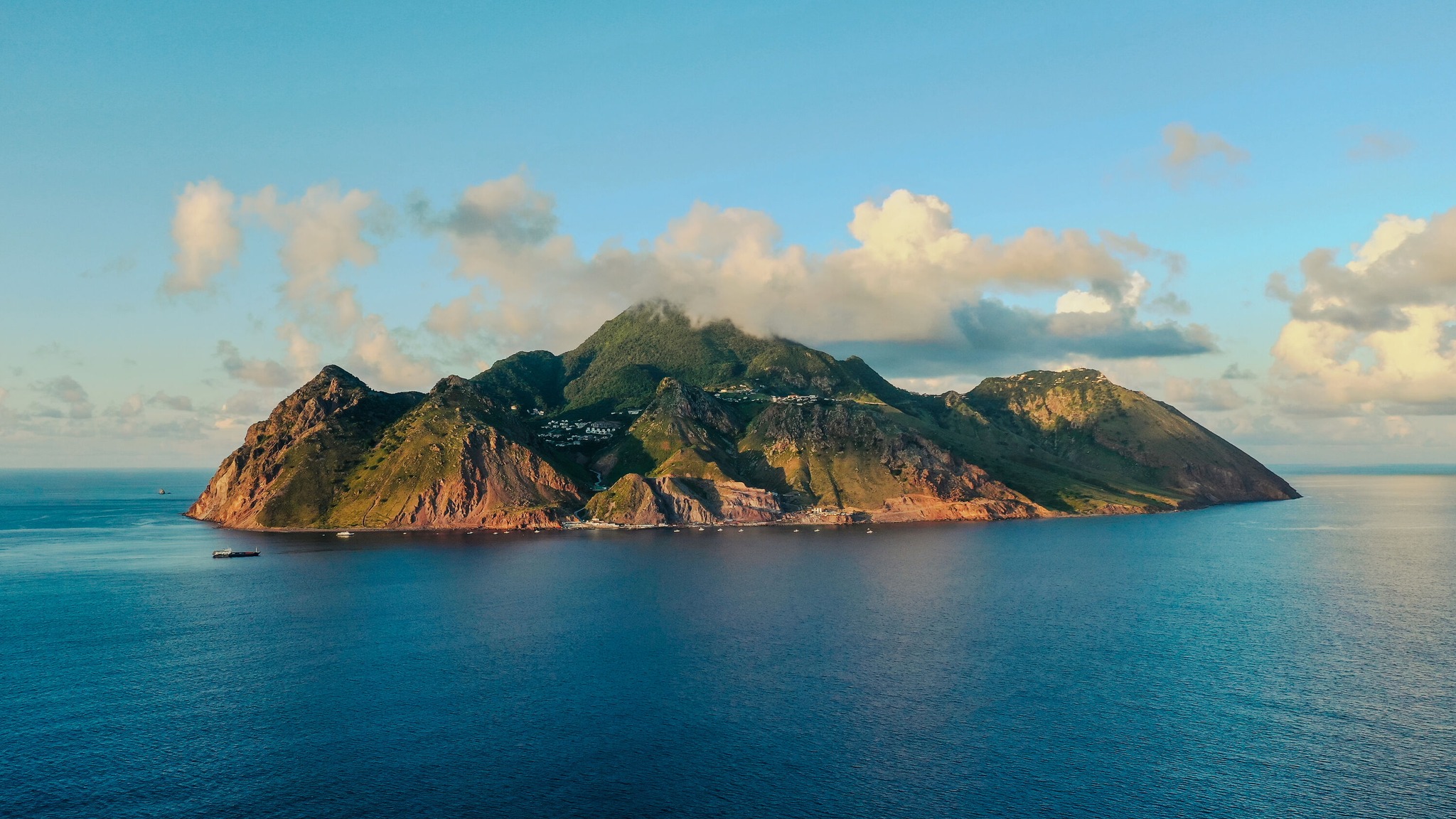
Saba is one of the Caribbean's best-kept secrets — five square miles of green peaks, storybook villages, and some of the clearest water in the region. If you've fallen for it and started wondering whether you could actually own a home here, the good news is simple: you almost certainly can. Here's how buying property on Saba works, step by step.
Can foreigners buy property on Saba?
Yes. Saba is a special municipality of the Netherlands, part of what's known as the Caribbean Netherlands (alongside Bonaire and St. Eustatius). There are no nationality restrictions on property ownership here — you do not need to be a Dutch or EU citizen, and you don't need to live on the island to own a home or a parcel of land.
That makes Saba unusually straightforward compared with many Caribbean destinations, where foreign buyers face licences, quotas, or government approval. On Saba, an international buyer purchases on essentially the same footing as a local one.
A few things that make Saba different
Before you start browsing listings, it helps to understand the lay of the land:
- The currency is the US dollar. The Caribbean Netherlands uses the USD, so property prices, deposits, and closing costs are all quoted in dollars — convenient for North American buyers in particular.
- The market is small and protected. Saba has just a few hundred homes and strict building traditions that keep its red-roofed, white-walled character intact. There are no high-rises, no chain resorts, and no sprawling developments — which means supply is genuinely limited.
- Title is held under Dutch law. Transfers are handled by a civil-law notary, giving the process a clear, well-documented legal framework.
What you can buy
Property on Saba generally falls into three categories:
- Cottages and homes — the classic Saba cottage with its gingerbread trim, often in the villages of Windwardside, The Bottom, or Hell's Gate.
- Villas — larger homes, frequently with pools and sweeping ocean views, popular both as residences and as vacation rentals.
- Land — building plots for buyers who want to design their own island home within Saba's building guidelines.
You can see what's currently available on our properties for sale page, and if you're thinking of generating income, our vacation rentals page shows the kind of homes that do well with visitors.
The buying process, step by step
While every purchase is a little different, most follow the same path:
- Find the right property. Browse listings, tell us what you're looking for, and we'll line up options — including homes that may not yet be widely advertised.
- View in person. Photos only go so far on Saba; the views, the breeze, and the village feel are best experienced firsthand. We help arrange viewings around your travel dates.
- Make an offer. Once you've found the one, we help you submit and negotiate an offer.
- Engage the notary. A civil-law notary verifies title, prepares the deed of transfer, and registers the sale — the legal heart of the transaction.
- Close and receive title. Funds are transferred, the deed is signed, and the property is officially yours.
A note on costs: beyond the purchase price, budget for closing costs such as transfer tax and notary fees. Exact figures depend on the property, so we'll give you a clear, itemised estimate for anything you're seriously considering — just ask us.
Does buying property give me residency?
No — and this is an important distinction. Owning a home on Saba does not automatically grant you the right to live here year-round. Residency is a separate process with its own requirements. Plenty of owners buy as a seasonal retreat or an investment and visit as often as they like; others pursue residency as a longer-term goal. If relocation is your aim, talk to us early and we'll point you toward the current steps.
How to get to Saba to view a property
Saba sits about 28 miles south of Sint Maarten (SXM), which is the main gateway. From there it's a short, scenic Winair flight of roughly 15 minutes into Juancho E. Yrausquin Airport — famous for one of the shortest commercial runways in the world. A ferry service also connects the two islands. We're happy to help you plan a viewing trip so you can see several properties in one visit.
Why buy on Saba?
Beyond the obvious beauty, Saba appeals to buyers for a few practical reasons. Its tight supply and protected character mean homes hold their appeal over time. Its world-class diving and unspoiled hiking draw a steady stream of visitors, which supports demand for well-run vacation rentals. And as part of the Netherlands, it offers a stable, transparent legal system that many international buyers find reassuring.
Mostly, though, people buy here because Saba gets under your skin — it's quiet, friendly, and unlike anywhere else in the Caribbean.
Ready to take the next step?
As Saba specialists with the reach of the RE/MAX network, we guide international buyers through every stage — from first questions to the day you get the keys. Browse our current listings, or get in touch and tell us what you're dreaming of.
This guide is general information, not legal, tax, or financial advice. Rules and costs can change, and every purchase is unique — please confirm current details with us and a qualified notary before making decisions.