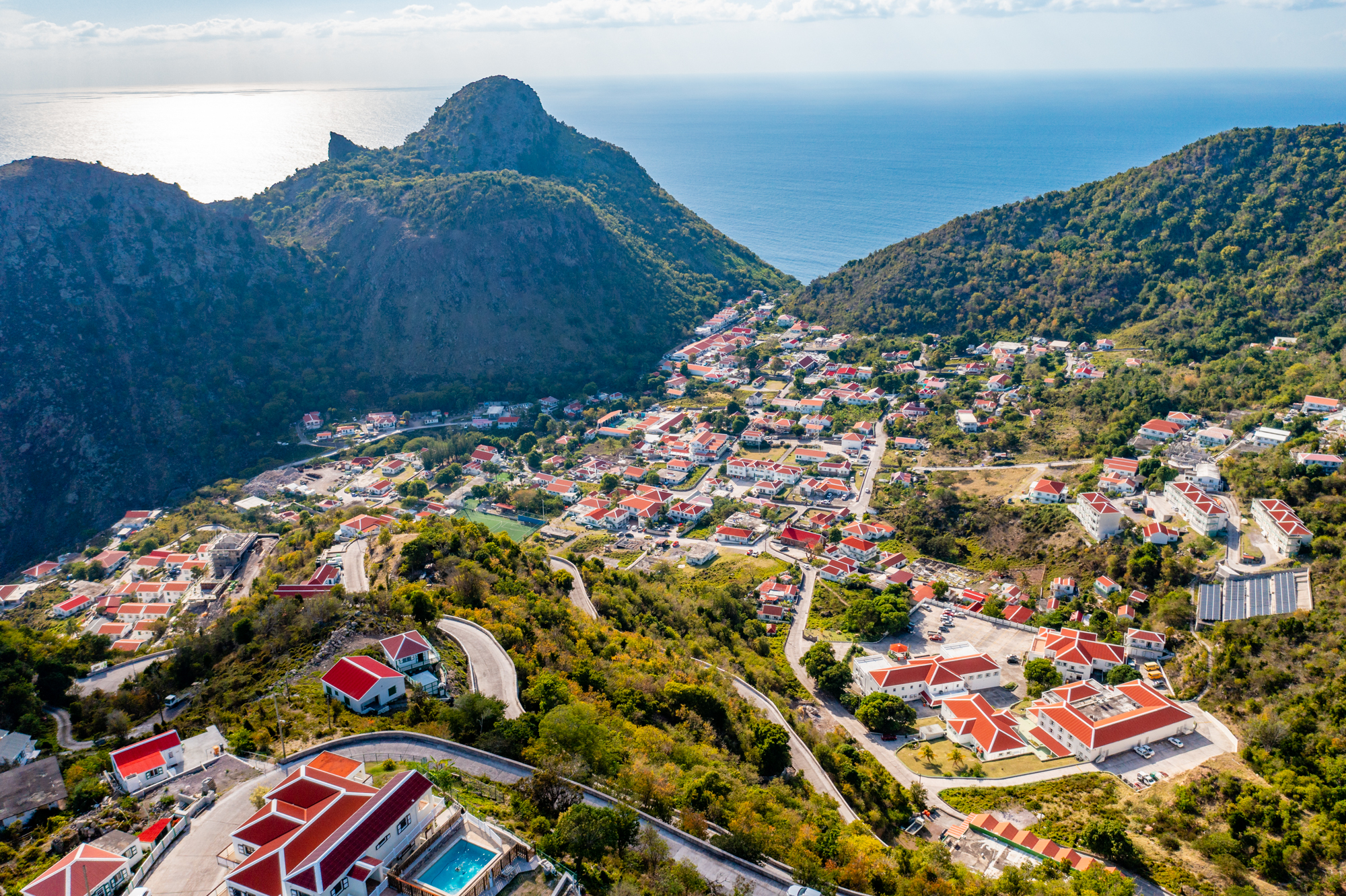
One of the first questions people ask when they fall for Saba is a practical one: what does it actually cost to live here? The honest answer is that Saba isn't the cheapest island in the Caribbean — but for many people the trade-offs are more than worth it. Here's a grounded look at the main costs of island life, and where Saba quietly saves you money.
A quick note before we start: Saba is small and remote, prices shift over time, and a lot depends on your lifestyle. We've kept this guide to the realities and relative costs rather than exact dollar figures, which change. For current numbers on a specific property or situation, just ask us — we live here.
Housing
Housing is the biggest variable in anyone's budget, and on Saba it's shaped by one simple fact: supply is genuinely limited. The island has only a few hundred homes, building is tightly controlled, and there are no large developments. That scarcity supports property values and means well-located homes don't sit empty for long.
If you're buying, you'll find everything from compact traditional cottages to villas with sweeping ocean views — see our current listings, and our guide to buying property on Saba for how the process works. If you'd rather rent first to get a feel for the island, vacation and longer-stay rentals are a good way to test island life before committing.
Groceries & everyday goods
Because almost everything is imported by sea or air, groceries and household goods generally cost more than they would on the US or European mainland. The island's shops carry a solid range of staples, and you'll learn which items are reliably stocked and which are worth bringing back from a trip to Sint Maarten. Many residents supplement with local produce and fish, and gardens do well in Saba's climate.
The flip side: there's no temptation of giant malls or big-box stores here, so the kind of impulse spending that adds up elsewhere simply isn't part of daily life.
Utilities
Electricity on a small island has traditionally been a meaningful monthly expense, since power has to be generated locally. The good news is that Saba has invested heavily in solar energy in recent years, which has helped stabilise and reduce daytime generation costs — a genuine bright spot for an island its size.
Water is another island quirk: many homes collect rainwater in cisterns, a long-standing Caribbean practice, which keeps water costs modest for those properties. Internet and mobile service are available across the island, so staying connected for remote work or keeping up with family back home is straightforward.
Healthcare
As a special municipality of the Netherlands, Saba is part of the Caribbean Netherlands health system. The island is served by the A.M. Edwards Medical Center in The Bottom for day-to-day and urgent care, with more specialised treatment handled off-island when needed. Residents access the Dutch-administered insurance framework; the specifics of eligibility depend on your residency status, which is worth confirming as part of any relocation plan.
Getting around & travel
Day to day, getting around Saba is cheap and quick — it's five square miles connected by one remarkable road, so trips are short and fuel goes a long way. Many residents get by with a single car or a scooter.
The cost that's easy to overlook is off-island travel. Reaching the wider world means a short Winair flight to Sint Maarten (SXM) or the ferry, and those trips add up if you travel frequently. It's worth budgeting realistically for how often you'll want to leave — and remembering that many people move here precisely because they don't.
What you don't pay for
Some of Saba's best value never shows up on a budget spreadsheet. There's no expensive nightlife scene, no traffic, no commute, and very little crime. Your "entertainment" is world-class diving, hiking the trails up Mount Scenery, and a tight-knit community where people still know their neighbours. For a lot of residents, that quality-of-life dividend is the whole point — and it offsets the higher price of a bag of groceries many times over.
The bottom line
Living on Saba costs more than mainland life in some categories — imported goods, off-island travel — and less in others, with housing scarcity and a slower pace shaping the rest. People who thrive here tend to value space, safety, and nature over convenience and consumer choice. If that sounds like you, the numbers usually work out.
Thinking seriously about making the move? Get in touch — we're happy to talk through real costs for your situation, and to show you what's available, whether you want to buy or rent first.
This guide is general information, not financial, tax, or relocation advice. Costs, services, and rules change over time and vary by individual circumstances — please confirm current details with us and the relevant authorities before making decisions.